


Nigeria’s Economic Reset and the Tinubu Reform Gamble
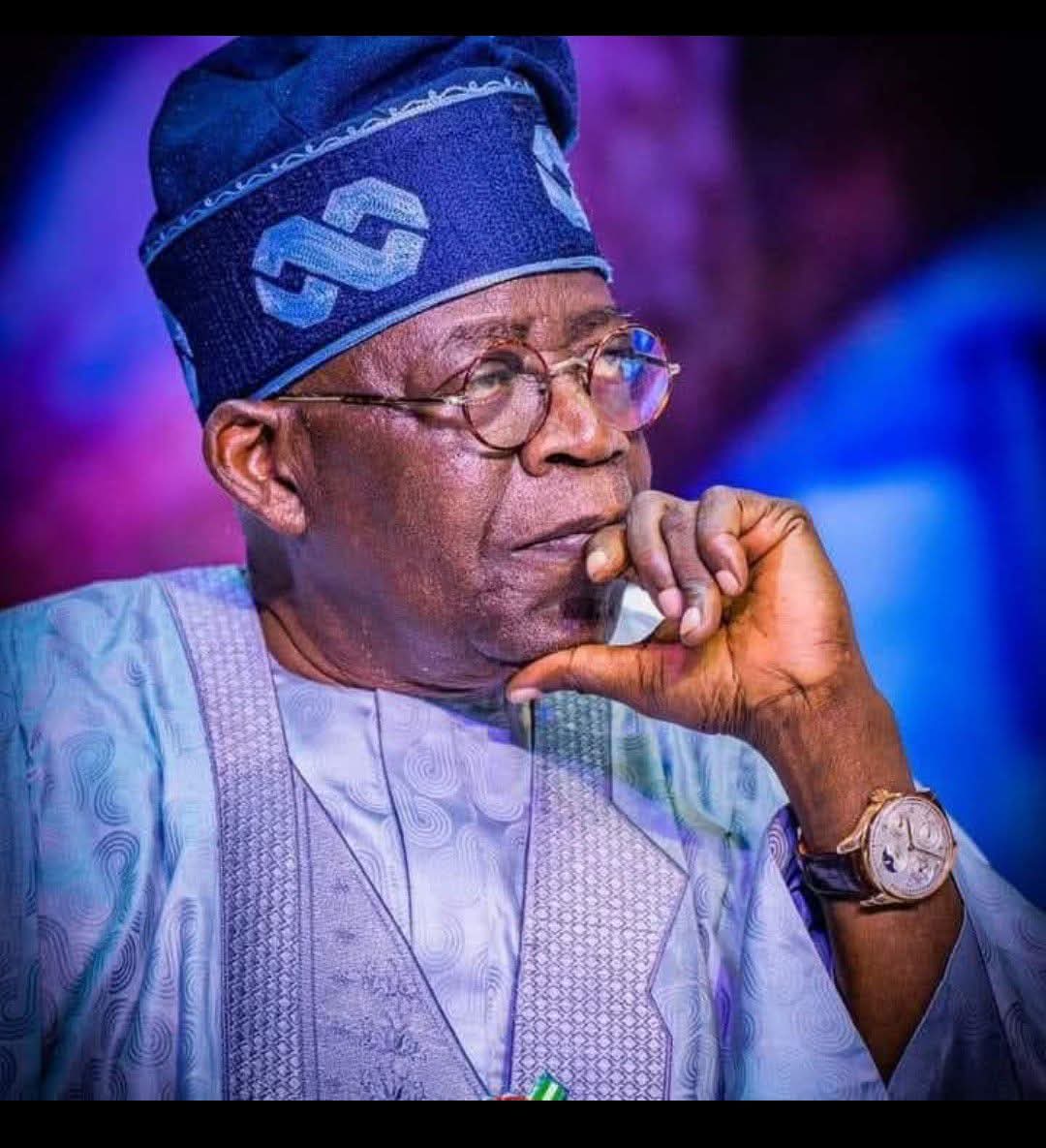
In modern global governance, few leaders have simultaneously removed both fuel subsidies and foreign-exchange subsidies.
When President Bola Ahmed Tinubu implemented this dual reform in 2023, many analysts predicted dire consequences.
The immediate aftermath seemed to validate those fears: petrol prices surged from around ₦270 to over ₦700, while the naira weakened sharply in the parallel market, moving from about ₦750 to over ₦1,000 per dollar.
These shocks translated into soaring inflation, which climbed from roughly 24% to above 34%. The cost of essential commodities rose steeply, deepening poverty and heightening public anxiety. The atmosphere in the country was tense; for many Nigerians, the economic strain became intensely personal. Even among supporters of the administration, confidence faltered as daily expenses grew unbearable and public criticism intensified.
Nigeria’s heavy reliance on imports worsened the situation, as businesses used the unstable exchange rate to justify significant price hikes. Savings eroded rapidly, and the exchange rate became highly volatile—at times fluctuating within minutes and eventually exceeding ₦2,000 to the dollar.
Labour unions responded with frequent strikes, and demands for government palliatives grew louder, despite the fiscal limitations of an overstretched treasury.
Yet, beneath the hardship, the administration remained committed to a structural reset.
Today, signs of stabilization have begun to emerge. The unification of the exchange rate—eliminating a nearly 100% arbitrage gap created under the previous dual-rate system—has restored greater transparency and predictability to currency markets.
This shift also closed loopholes that had enriched rent-seekers at the expense of the Nigerian economy.
Recent data reflects a cautiously improving outlook. Nigeria’s economy is now growing at nearly 4%, the fastest rate in more than a decade.
The country has stopped accumulating the over ₦8 trillion annually once spent on fuel and FX subsidies, easing pressure on public finances.
External reserves have risen to about $46 billion, up from $32 billion in 2023, even after clearing more than $7 billion in outstanding FX obligations inherited from the previous administration.
Government revenue, although still below the potential of a nation with over 240 million people, has strengthened.
In 2022, Nigeria generated just over ₦6 trillion—less than $10 billion at the parallel-market rate of the time.
By 2025, revenues have risen to roughly ₦24 trillion, or about $17 billion, enabling states and local governments to expand their fiscal capacity.
Perhaps most visibly, food and essential commodity prices have begun to decline, contributing to a slowdown in inflation from 34% in 2023 to about 14% in 2025.
The Nigerian capital market has also experienced its longest bullish run in history, while exports have grown significantly, producing the highest trade surplus the nation has recorded.
The unification of the FX market and the recovery of the naira have further strengthened investor confidence.
These outcomes underscore the long-term intentions of the reforms: stabilizing Nigeria’s macroeconomic foundations and positioning the nation for sustained growth.
Looking back, the early discomfort of the reform period was considerable. Yet, with the economy now standing on firmer ground, many who supported the administration’s bold approach feel vindicated.
While challenges remain, Nigeria appears to be on a more stable economic trajectory—one shaped by difficult but necessary policy decisions.
188v bet có hệ thống xếp hạng thành viên theo điểm tích lũy. Càng chơi nhiều, bạn càng lên cấp nhanh và nhận được ưu đãi riêng: quản lý tài khoản riêng, hoàn cược cao hơn, quà tặng định kỳ… TONY12-30
I think you have observed some very interesting points, thanks for the post.
Well I truly enjoyed reading it. This information procured by you is very practical for accurate planning.
Outstanding post, you have pointed out some excellent points, I besides conceive this s a very great website.