
Nigeria in 2025: A Turning Point in Democratic Governance and Economic Stabilisation
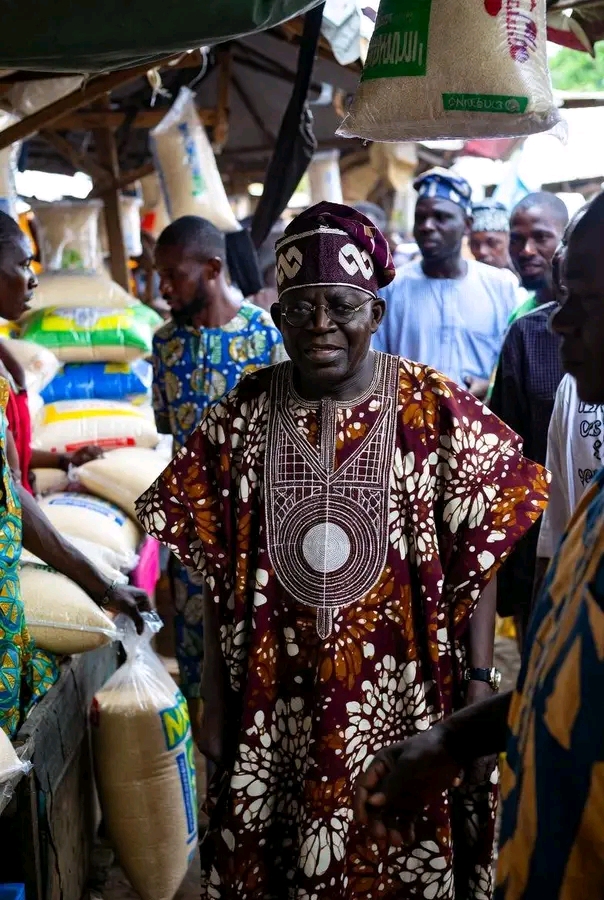
As Nigeria marks twenty-six years of uninterrupted democratic rule, the year 2025 stands out as a critical moment in the nation’s economic recalibration.
Comparing this year to past democratic cycles reveals both structural shifts and policy-driven outcomes that have shaped public conversation, economic indicators, and national expectations.
Since 1999, every administration has faced its own economic headwinds—global commodity shocks, currency instability, and infrastructure deficits.
However, the period beginning in 2023 placed Nigeria at a unique crossroads: fuel subsidy removal, FX unification, and inflationary pressures created an environment many feared would be unsustainable.
Two years later, 2025 tells a contrasting story, with several indicators suggesting stabilisation and early gains from reforms that initially appeared disruptive.
For the first time in several years, Nigerians entered a year where major household commodities recorded downward price movements.
Verified market surveys and import benchmarks indicate reductions in:
Petrol pump prices
A bag of rice
Vegetable oil
Tomatoes, garri, and beans
General food basket costs across major cities
Additionally, the inflation rate subsided from previous highs, signalling slower price increases and improved purchasing power for households.
A notable talking point is that Nigeria now retains one of the lowest electricity tariffs in West Africa, despite regional energy cost fluctuations.
Perhaps the most consequential development of 2025 was the historic increase in the national minimum wage. On Friday, July 18, 2025, President Bola Ahmed Tinubu GCFR approved a rise from ₦30,000 to ₦70,000, with most federal civil servants earning above ₦77,000 monthly.
This convergence—falling commodity prices and rising wages—created an economic environment citizens had long hoped for: higher earnings matched with reduced household expenses.
GDP Expansion: A Two-Year Snapshot
Nigeria’s economy has expanded significantly within the two years of the current administration. Data shows GDP growing from:
₦269.29 trillion on May 29, 2023
To ₦372.8 trillion in 2025
This represents an approximate $67 billion expansion, driven by:
Increased oil and non-oil sector productivity
Renewed investor interest
Digital economy acceleration
Infrastructure deployment across transport, power, and energy
While Nigeria is not yet at its optimum economic potential, these figures suggest a trajectory of sustained medium-term growth.
Observers frequently draw parallels between President Tinubu’s current national policies and the governance model that transformed Lagos into a major African economic hub. The emphasis on:
institutional strengthening
revenue expansion
infrastructural renewal
diversified economic drivers
…reflects a continuity of the economic philosophy that shaped Lagos over two decades.
Conclusion: 2025 as a Year of Economic Gratitude and Reassessment
Nigeria’s democratic journey has been marked by ups and downs, but 2025 stands out as a year of visible economic relief. While challenges remain—such as unemployment, exchange rate stability, and infrastructure deficits—many Nigerians acknowledge that the fundamentals are improving.
In the landscape of Nigeria’s democratic history, 2025 may be remembered as the year prices came down, salaries went up, and economic indicators began to realign in favour of ordinary citizens.
If the reforms sustain their current momentum, the decade could mark a redefinition of Nigeria’s long-term economic outlook.
Happy Cristymas and new year in advance yes I thanks our I give glory to God first because is the one who made is possible for us in Nigeria to let us rejoice and am also give honor to our father of the nation sir you coming back in 2027 no go slow sir this is COODINATOR CASSAVA FARMING Ashogbon Racheal thanks sir
mrqfshlnrklfrpywxuzofrujpelleq
Nếu bạn đang tìm một nhà cái uy tín, hãy thử telegram 888slot ! Với giấy phép PAGCOR, tỷ lệ hấp dẫn và khuyến mãi khủng mỗi ngày, đây là điểm đến không thể bỏ lỡ. TONY12-30
You are my inhalation, I own few web logs and rarely run out from to brand.
fantastic post, very informative. I’m wondering why the opposite specialists of this sector do not notice this. You should continue your writing. I am sure, you’ve a huge readers’ base already!
It?¦s in reality a great and helpful piece of info. I?¦m glad that you just shared this useful info with us. Please keep us up to date like this. Thank you for sharing.