



MSC GROUP SECURES 45-YEAR CONCESSION FOR SNAKE ISLAND PORT TERMINAL, SIGNS EPC AGREEMENT FOR MAJOR INFRASTRUCTURE DEVELOPMENT
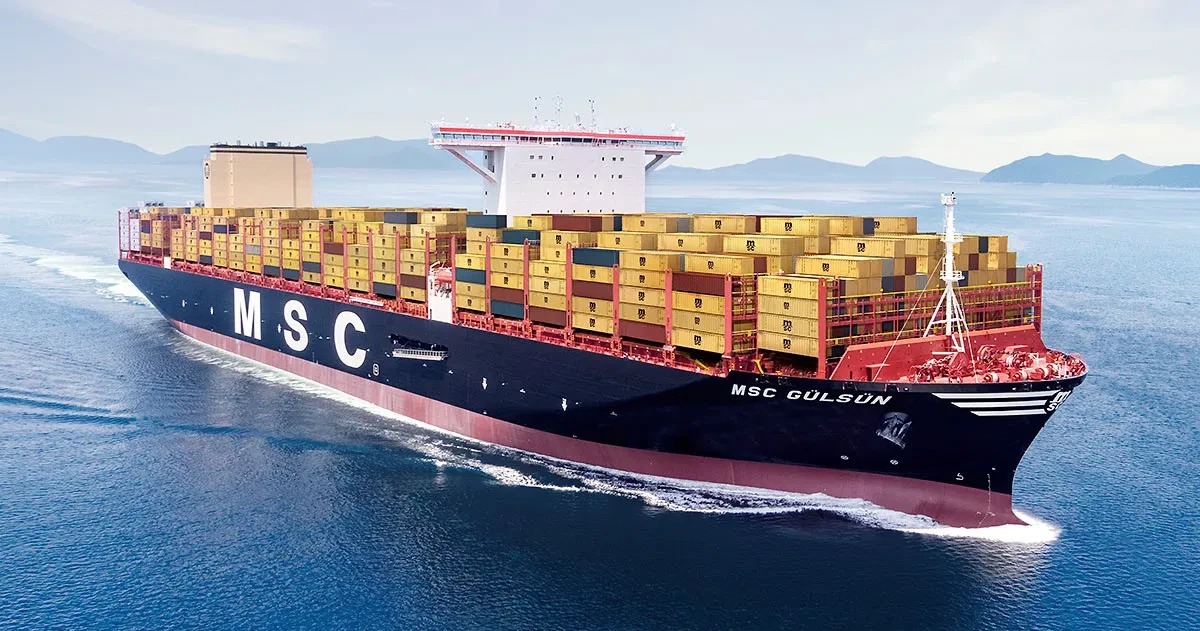
MSC Group has signed a landmark 45-year concession agreement with Nigerdock for the development of a modern container terminal at Snake Island Port (SIP), Lagos, Nigeria, while also concluding an Engineering, Procurement and Construction (EPC) contract with ITB Nigeria Limited and DEME Group to execute the project.
The development represents a major milestone in MSC Group’s expanding footprint in Nigeria’s maritime and logistics sector. The project forms part of the Group’s broader investment in the country’s infrastructure and logistics ecosystem, valued at over $1 billion.
The planned Snake Island Container Terminal will feature a 910-metre quay capable of accommodating both Ship-to-Shore (STS) cranes and Mobile Harbour Cranes (MHC), enabling the efficient handling of deep-sea vessels as well as barge operations.
The terminal design includes an initial dredging depth of -16.5 metres Chart Datum (CD), consistent with the existing depth of the navigation channel, alongside a 30-hectare container yard equipped with hybrid Rubber Tyred Gantry (RTG) cranes. The facility will also allow for future expansion, ensuring scalability to meet growing cargo demand.
In line with MSC Group’s long-term strategic vision for Nigeria and the West African region, the terminal infrastructure is being designed to support a future dredging depth of up to -18 metres CD, enabling it to accommodate larger container vessels and significantly enhance port capacity.
Commenting on the development, President of MSC Group, Diego Aponte, said:
“Completing this key phase in the development of the Snake Island Container Terminal with Nigerdock and our trusted partners underscores MSC Group’s strong commitment to delivering world-class services to our customers in Nigeria and across Africa.
The new terminal will unlock significant opportunities, improve operational efficiency, and position Snake Island Port as a major hub in global maritime trade.
In addition to our other long-term investments in Nigeria, the project will generate substantial employment opportunities and contribute meaningfully to economic growth and resilience.”
The project is expected to further strengthen Nigeria’s position as a strategic maritime gateway in West Africa, while boosting trade facilitation, logistics efficiency, and port competitiveness across the region.