


The Yalla App Dilemma: How Journalist`s Were Sidelined from AFCON 2025
As Nigeria’s national team and a vast media contingent geared up to cover one of Africa’s biggest sporting spectacles — the Africa Cup of Nations (AFCON) 2025 in Morocco — what promised to be a career-defining assignment soon turned into a frustrating maze of digital setbacks and procedural glitches.
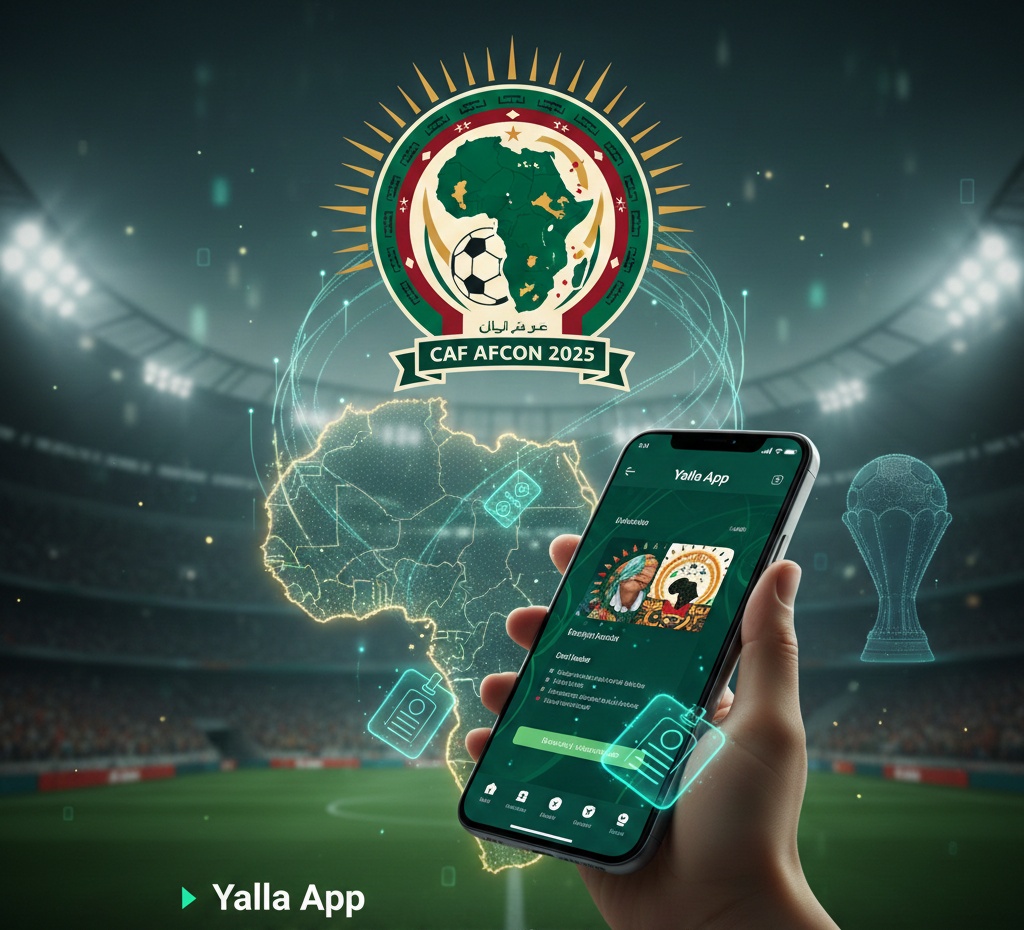
For many Nigerian journalists, the road to AFCON coverage passed through a single digital gatekeeper: the Yalla App. This platform, mandated by the Confederation of African Football (CAF) and the Local Organising Committee, was supposed to streamline essential services — from issuing Fan IDs to processing e-visas and media accreditation.
But behind this promise of modern convenience lurked a host of problems that disproportionately disadvantaged reporters, especially those traveling from Nigeria and other African nations.
The Yalla App was designed to handle high demand, but from the moment ticketing and Fan ID registrations opened in October 2025, technical problems began to surface. Users — including journalists — reported:
Persistent login errors and crashes, leaving many unable to complete the Fan IDError messages claiming emails were already used, despite no successful registration being completed. Failures in scanning passports or ID documents, a mandatory step needed for Fan ID creation and visa processing. Long wait times in digital queues with no clarity or progress indicators, frustrating users and consuming valuable time. These weren’t isolated incidents; they echoed on forums and social media as users shared screenshots of frozen screens and repeated rejections. Some would try countless of times to register, with no success, while entry deadlines loomed.
For Nigerian journalists — many already juggling tight newsroom schedules with travel plans and assignment deadlines — non-completion of Fan ID meant no accreditation, no visa, and ultimately no entry into stadiums or media centres.
Why Journalists Were Hit HarderWhile fans were angry and vocal about the Yalla App’s failures, the stakes were significantly higher for journalists:
1. Fan ID Was MandatoryCAF made the Fan ID essential not just for ticketing but for all access, including press zones, stadium entries, and official media centres. Without it, media professionals could not enter the venues to cover matches.
2. E-Visa Reliance on App FunctionalityJournalists had to complete their e-visa applications through the same digital pathway tied to the Fan ID. Any glitch in the same process could block both accreditation and travel permissions.
3. Digital Divide Impacts PreparednessMany Nigerian journalists contend with broader digital infrastructure challenges — from inconsistent internet access, high data costs, to varying levels of digital literacy — which complicates the navigation of complex, new apps like Yalla. These gaps can slow down registration efforts and make technical challenges harder to overcome.
4. System Support Fall-backs Were LimitedAlthough CAF and the organising committee eventually set up dedicated hotlines for accredited media assistance, the requirement to first complete online procedures meant many were already locked out before support could be offered. Real Consequences for Nigerian Media CoverageBecause of these technological hurdles:Several Nigerian journalists were unable to complete their credentialing in time, despite submitting all required documents.
Some were forced to abandon plans to travel to Morocco, missing out on high-profile reporting opportunities.
Newsrooms back home had to either reassign coverage to others with approved credentials or limit their presence — weakening Nigeria’s voice in a major continental event.
For freelancers and smaller outlets, where sending correspondents abroad already strains budgets and resources, the Yalla App’s dysfunction magnified the costs of attempting coverage.Voices from the FieldForums and discussion threads, frequented by many trying to navigate the platform, offer raw insights into the frustration:
“I’ve been trying for weeks — it gets stuck at 99% on the passport scan and then crashes. I’ve given up and won’t be able to attend.”
“Still no Fan ID and I needed it for my visa… this app has essentially blocked my access.”
These aren’t just tech complaints — they reflect lost opportunities for career growth, sports journalism exposure, and international reporting experience.
At the Crossroads of Technology and JournalismThe Yalla App story underscores a wider truth: as more international events digitise crucial processes, journalism — especially from countries with infrastructural and digital gaps like Nigeria — risks being excluded unless there’s accessible design, robust support, and contingencies for technological failure.
It also highlights the broader digital challenges Nigerian journalists face daily, from internet accessibility to digital skill disparities, that shape their capacity to engage with global systems.
In the end, AFCON 2025 will be remembered for the spectacle on the pitch — but for many journalists, it will also be remembered for the digital barrier that kept them off it.
Không chỉ có giao diện đẹp mắt, ưu đãi 188v còn cung cấp các luật chơi rõ ràng, dịch vụ hỗ trợ nhanh chóng và chuyên nghiệp, đảm bảo mang lại trải nghiệm tốt nhất cho người chơi thông thái. TONY12-26
Magnificent website. A lot of useful information here. I am sending it to a few friends ans also sharing in delicious. And naturally, thanks on your effort!