


From Pressure to Progress: Strengthening Tuberculosis Diagnostics in Nigeria
Tuberculosis (TB) remains one of the most pressing public health challenges in Nigeria, continuing to place significant strain on patients, healthcare workers, and the national healthcare system.
However, recent developments signal a promising shift from pressure to measurable progress, as the country strengthens its diagnostic capacity and response strategies.
According to insights shared by Roberto Taboada, Network Head, Anglo-West Africa at Roche Diagnostics, Nigeria has made notable strides in improving TB detection.
Data published by BMJ Journals indicates that in 2020 alone, reported TB cases increased by 15 percent nationwide—an achievement reflecting expanded screening efforts and improved access to testing services.
While increased case identification marks a significant milestone, experts emphasize that the next phase of Nigeria’s TB response must focus on strengthening diagnostic systems to ensure faster, more accurate, and scalable confirmation of cases.
A key element of this evolving strategy is the adoption of integrated diagnostic approaches. Traditionally, disease-specific programmes have operated independently, often leading to duplication of efforts and inefficiencies. Modern advancements in laboratory medicine now offer the opportunity to streamline diagnostics, enabling healthcare systems to deliver more coordinated and efficient services.
Integrated testing allows a single patient sample to be used to diagnose multiple conditions simultaneously. This approach is particularly critical in addressing comorbidities such as HIV and other infections that compound the burden of TB.
By leveraging existing laboratory infrastructure more effectively, Nigeria can enhance overall healthcare system performance while improving patient outcomes.
The World Health Organization has consistently advocated for integrated, high-through put diagnostic systems as a means to improve case detection and programme efficiency, especially in high-burden settings like Nigeria.In addition, evolving global funding dynamics are encouraging countries to adopt more cost-effective and scalable healthcare solutions. Nigerian policymakers have responded proactively, demonstrating a renewed commitment to efficiency and innovation in diagnostic services. This includes fostering stronger collaboration between public institutions and private-sector stakeholders to align with national TB programme goals.
Such partnerships are expected to play a critical role in advancing diagnostic capabilities, ensuring faster case confirmation, and optimizing the use of available resources. By combining the strengths of government, national programmes, and industry partners, Nigeria is building sustainable solutions tailored to its healthcare priorities.
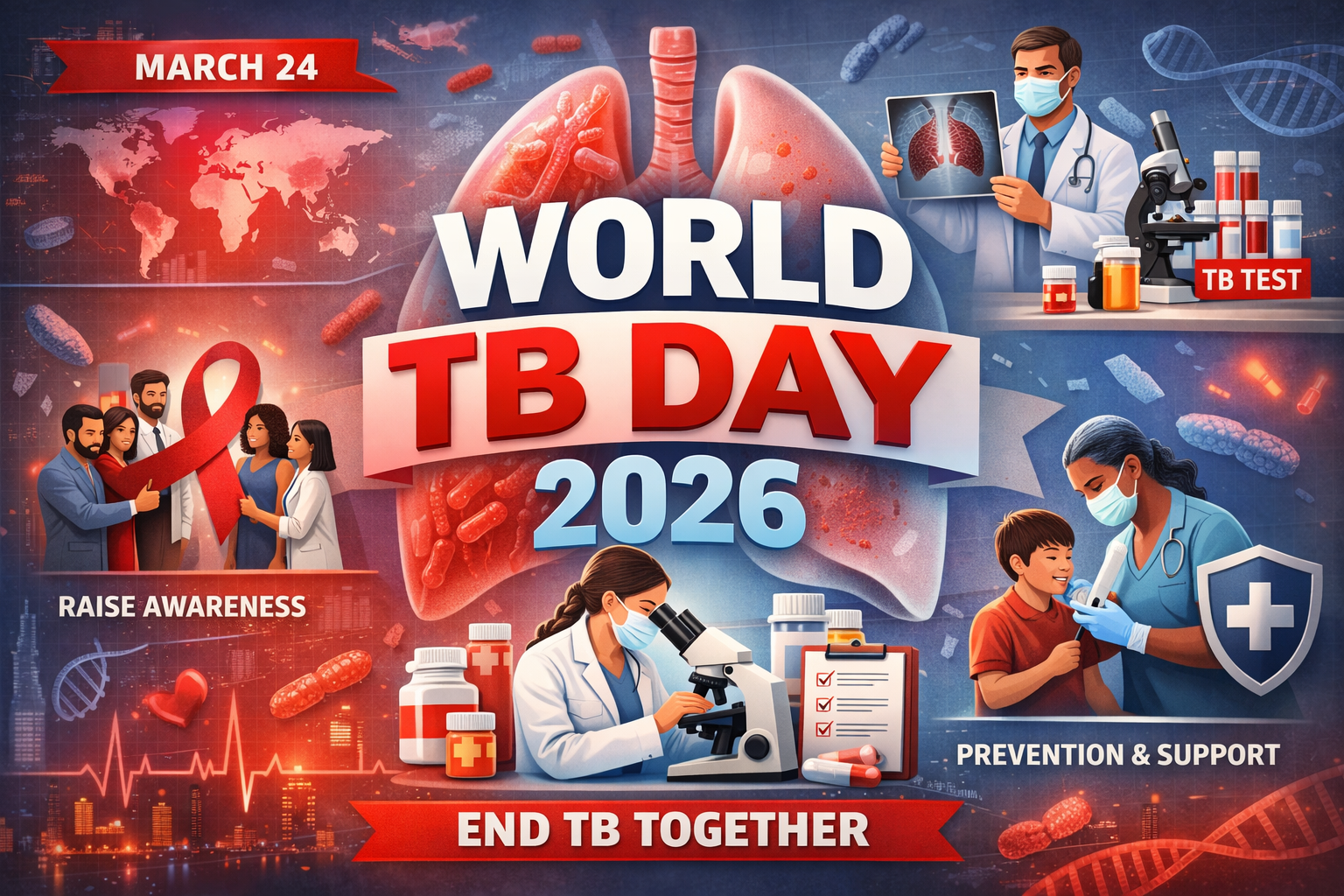
As the world marks World TB Day, Nigeria stands at a pivotal moment in its fight against tuberculosis. The country’s focus on integration, efficiency, and strategic alignment is laying the foundation for a more resilient and responsive healthcare system.
Strengthening TB diagnostics goes beyond expanding access—it represents a transformative step toward better health outcomes and long-term disease control. With continued commitment and collaboration, Nigeria is positioning itself as a leader in innovative diagnostic approaches across high-burden regions.
Looking ahead, stakeholders remain optimistic that sustained progress will bring the country closer to achieving global TB targets by 2030, ultimately reducing the disease from a national concern to a historical milestone.
888slot có hệ thống cảnh báo biến động tài khoản – bạn sẽ nhận thông báo push ngay khi có giao dịch nạp/rút hoặc số dư thay đổi đột ngột. TONY03-25